Professional Restoration Equipment
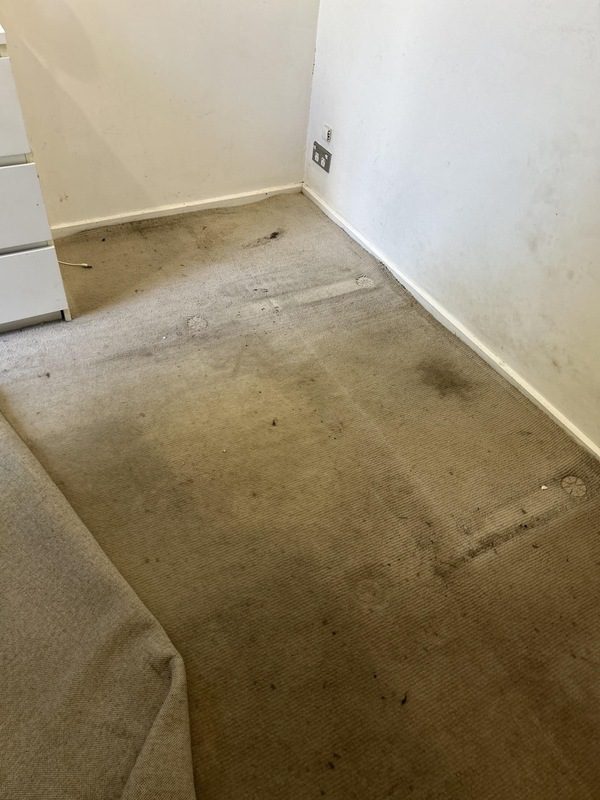
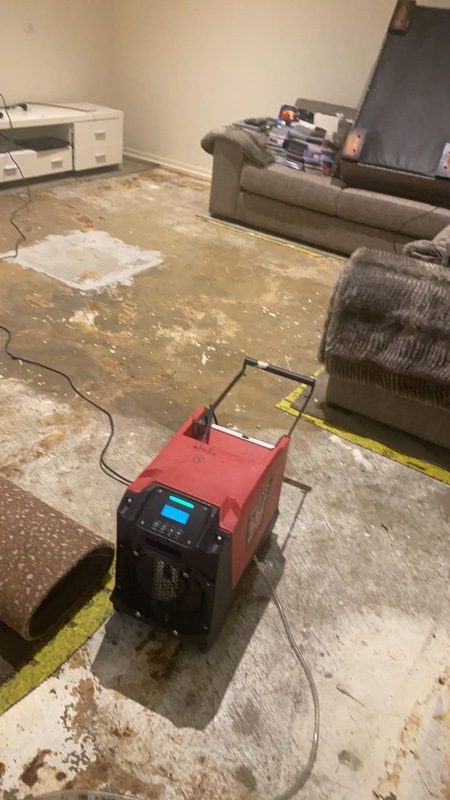
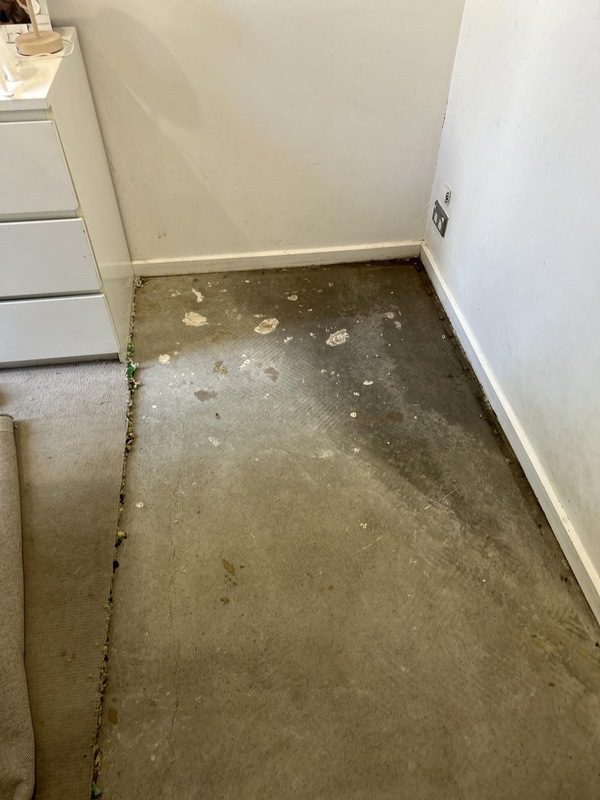
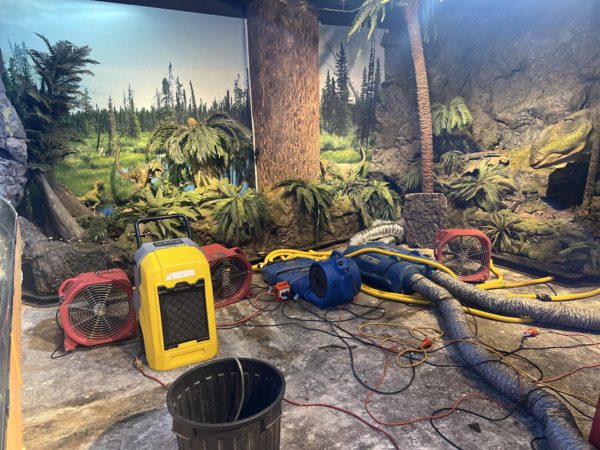
Professional restoration relies on more than experience alone. The quality of the equipment used during a restoration project plays an important role in assessing damage, monitoring moisture, improving drying efficiency and restoring affected building materials. Different water damage, flood, mould and sewerage restoration projects require different equipment, with every property presenting unique conditions that influence how restoration work is carried out.
Budget Total Cleaning & Restoration has invested in professional restoration equipment to support residential and commercial restoration projects throughout Melbourne since 2006. Our technicians use specialised inspection instruments, commercial drying systems, water extraction equipment and air filtration technology to assist with water damage restoration, structural drying, mould remediation, sewerage cleanup and flood restoration. Equipment is selected according to the individual requirements of each project rather than applying the same solution to every property.
Commercial Restoration Equipment for Every Project
Every restoration project begins with a detailed assessment of the property. Once the extent of the damage has been identified, equipment is selected according to the type of building, the affected materials and the restoration objectives. Throughout the project, moisture conditions are monitored so equipment can be adjusted as drying progresses.
Water Extraction Equipment
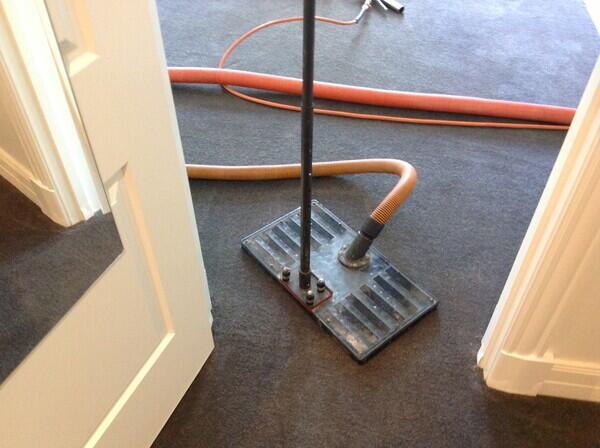
Water extraction is often the first stage of a restoration project following a burst pipe, flooding event or plumbing failure. Commercial extraction units are designed to remove significant volumes of water from carpets and hard floor surfaces before controlled drying begins.
Removing standing water reduces the moisture load within the building and prepares the property for structural drying. Extraction equipment is commonly used together with moisture monitoring equipment to determine the effectiveness of the restoration process.
Commercial Dehumidifiers
Dehumidifiers are designed to remove moisture from the surrounding air during the drying process. As water evaporates from building materials, dehumidifiers collect moisture and reduce indoor humidity, creating conditions that assist with controlled drying.
Different dehumidifier capacities are used depending on the size of the property, the volume of water involved and the environmental conditions within the building. Equipment selection is based on moisture readings and the overall drying strategy for the project.
Air Movers
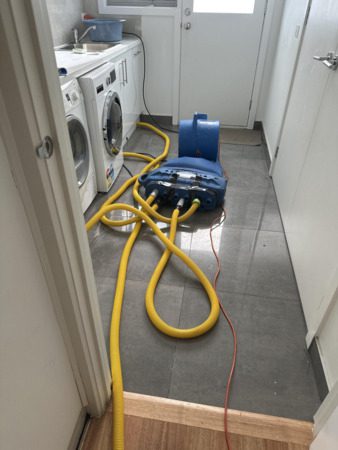
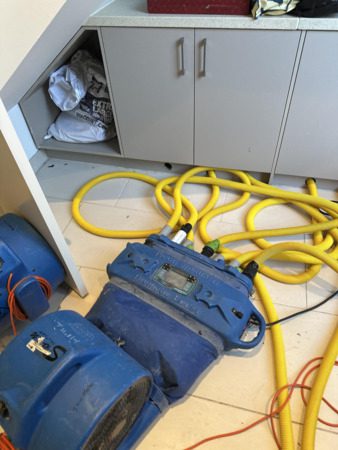
Air movers are an important part of structural drying because they improve airflow across wet building materials and encourage evaporation. Rather than simply blowing air around a room, professional air movers are strategically positioned to maximise airflow across affected surfaces.
The placement and number of air movers varies according to the construction of the property, the materials affected and the moisture conditions identified during the initial assessment.
Restoration Heaters
Some restoration projects benefit from the use of restoration heaters to assist the drying process. Controlled heat can increase evaporation from certain building materials when used alongside commercial dehumidifiers and air movers.
Restoration heaters are selected according to the requirements of the project and are monitored throughout the drying process to maintain appropriate environmental conditions.
Moisture Meters
Professional moisture meters allow technicians to measure moisture levels within carpets, plasterboard, timber flooring, concrete, skirting boards and other building materials. These instruments provide measurable data rather than relying on visual inspection alone.
Moisture readings are taken before, during and after restoration to monitor drying progress, identify hidden moisture and assist in determining when affected materials have reached appropriate moisture levels.
Thermal Imaging Cameras
Thermal imaging cameras assist technicians in locating moisture that may not be visible on the surface of building materials. By identifying temperature variations, thermal imaging can indicate areas that require further investigation using moisture meters and other inspection equipment.
Thermal imaging forms part of the overall assessment process and assists in locating hidden moisture within wall cavities, ceilings, flooring systems and structural components.
HEPA Air Filtration Equipment
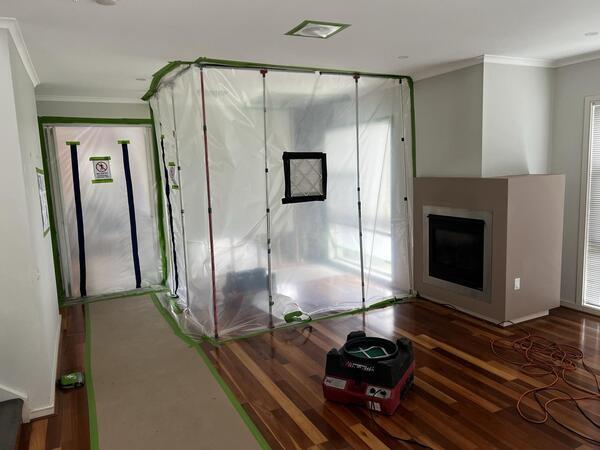
HEPA air scrubbers and negative air machines are commonly used during mould remediation and sewerage restoration projects. These systems assist in filtering airborne particles while remediation work is undertaken and may form part of containment procedures where required.
Air filtration equipment is selected according to the nature of the project and the areas being restored.
HEPA Vacuums and Specialist Cleaning Equipment
HEPA-filtered vacuum systems are used during mould remediation to assist in removing fine particles from affected surfaces. Together with specialised cleaning equipment and antimicrobial application systems, these machines support detailed remediation and restoration work.
Different cleaning methods are selected according to the materials being restored and the nature of the contamination.
Inspection and Monitoring Equipment
Professional restoration often requires more than moisture meters and thermal imaging. Depending on the project, technicians may also utilise borescopes to inspect concealed wall cavities, air sampling equipment during mould investigations and odour control equipment following sewerage or fire damage restoration.
Using specialised inspection equipment allows hidden conditions to be investigated with minimal disruption while supporting accurate restoration planning.
Equipment Backed by Experience
Having access to professional restoration equipment is only part of the restoration process. Knowing how and when to use each piece of equipment is equally important. Budget Total Cleaning & Restoration has completed more than 10,000 insurance restoration projects together with thousands of private restoration jobs since 2006, giving our technicians practical experience across a wide variety of water damage, flood, mould and sewerage restoration projects.
As an IICRC Certified Firm, we are certified in Water Damage Restoration, Applied Structural Drying, Commercial Drying, Applied Mould Remediation, Carpet Cleaning, Carpet Repair and Reinstallation, Fire and Smoke Damage Restoration, Upholstery and Fabric Care, Odour Control and Floor Care.
By combining recognised industry training with specialised restoration equipment, Budget Total Cleaning & Restoration provides professional restoration services throughout Melbourne, Bayside and the Mornington Peninsula. Our investment in commercial-grade equipment allows us to assess, monitor and restore residential and commercial properties using methods tailored to the individual requirements of each project.