
Flooded Carpet
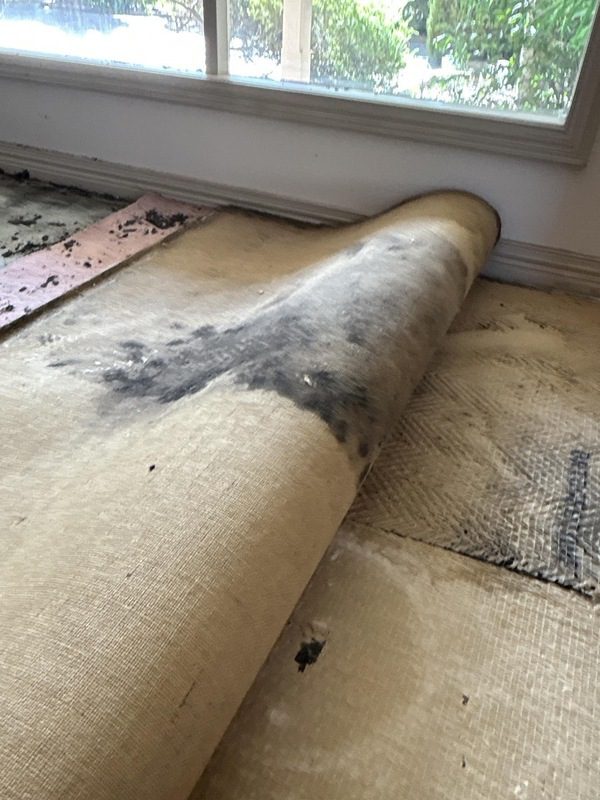
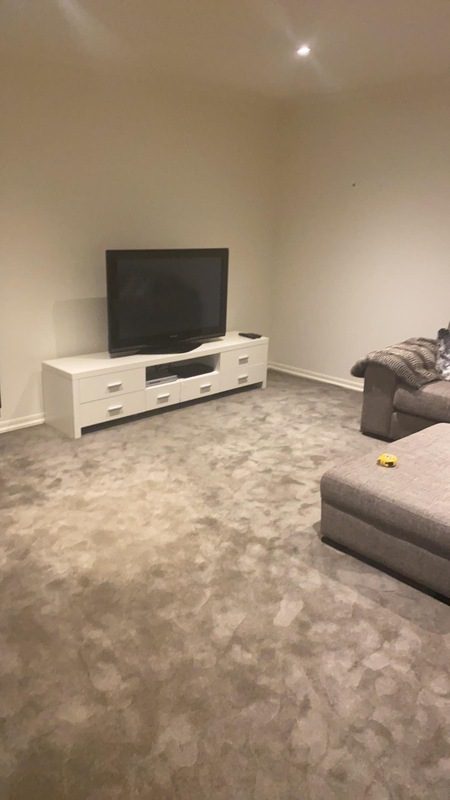
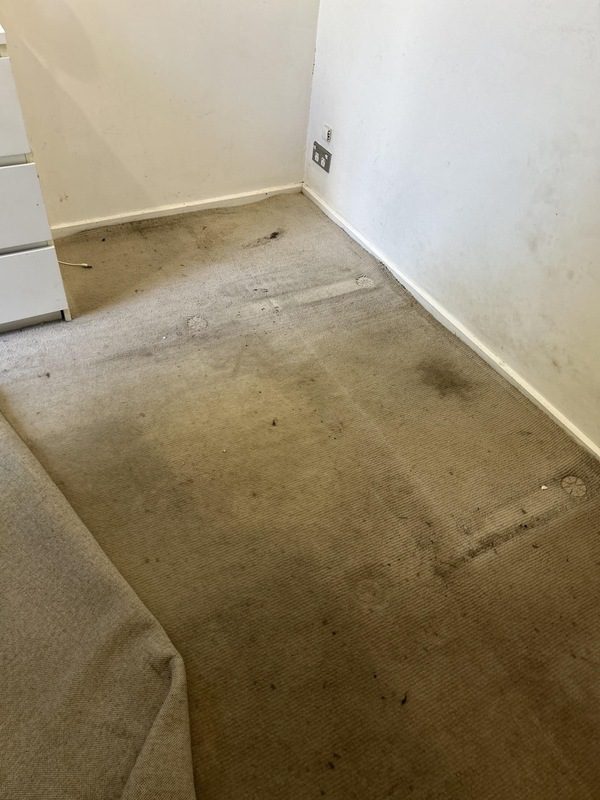
A flooded carpet can quickly disrupt your home or business, particularly when water spreads across multiple rooms or soaks into the flooring beneath. Whether flooding has resulted from a burst water pipe, overflowing bathroom, stormwater entering the property, a leaking appliance or another unexpected event, the longer water remains within the carpet and underlay, the greater the area that may be affected. Professional assessment helps determine the extent of the moisture and the most appropriate restoration process for the property.
Budget Total Cleaning & Restoration provides professional flooded carpet restoration services throughout Melbourne, Bayside and the Mornington Peninsula. Every project begins with a detailed inspection to identify the source of the water, assess the condition of the affected materials and develop a drying strategy suited to the property. By combining commercial drying equipment with ongoing moisture monitoring, we assist residential and commercial property owners following a wide range of flooding events.
Professional Flooded Carpet Restoration Services
No two flooded carpet projects are exactly alike. The volume of water involved, how long the carpet has remained wet and the construction of the flooring system all influence the restoration process. Some properties may only require localised drying, while others involve multiple rooms, saturated underlay and moisture that has migrated into walls or adjoining building materials. A thorough inspection provides the information needed to determine how the restoration should proceed.
What Causes a Flooded Carpet?
A flooded carpet can occur for many different reasons. Burst water pipes, overflowing baths, blocked drains, leaking dishwashers, washing machine failures, roof leaks and stormwater are among the most common causes. Even a relatively small plumbing issue can allow water to spread beneath the carpet where it is not immediately visible.
Because water often follows the path of least resistance, it may travel well beyond the area where flooding first occurred. Moisture can move beneath internal walls, enter adjoining rooms and affect skirting boards, plaster and timber flooring. Understanding how the water has travelled helps determine the most appropriate restoration strategy.
Removing Excess Water
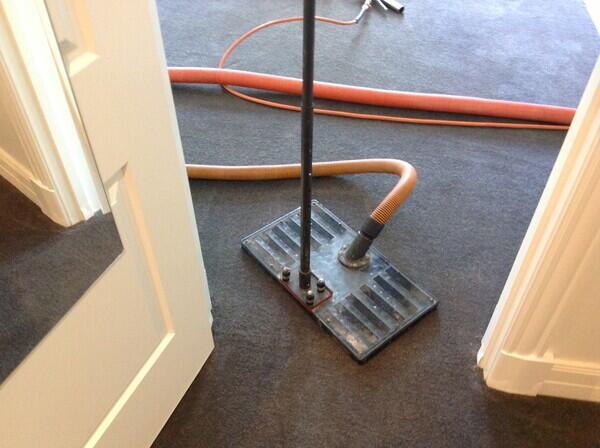
One of the first stages of restoring a flooded carpet is removing as much standing water as practical. Commercial extraction equipment is designed to recover significantly more water than household cleaning equipment, helping reduce the amount of moisture remaining within the carpet before controlled drying begins.
Water extraction is only the beginning of the restoration process. While visible water may be removed quickly, moisture can remain within the carpet backing, underlay and subfloor. For this reason, extraction is generally followed by drying, monitoring and further assessment.
Flooded Carpet Drying
Professional flooded carpet drying focuses on reducing moisture throughout the entire flooring system rather than simply drying the surface fibres. Commercial air movers encourage evaporation while dehumidifiers remove moisture from the surrounding air, creating conditions that support the drying process.
Regular moisture readings are taken during the project to monitor drying progress. These readings help determine whether additional drying time or equipment adjustments are required before the restoration is considered complete.
Assessing Hidden Moisture
One of the challenges with a flooded carpet is that moisture is often hidden beneath the surface. Underlay, timber flooring, wall cavities and skirting boards may all retain moisture even when the carpet feels relatively dry to the touch.
Professional moisture meters and thermal imaging technology assist in locating areas where moisture may still be present. This information helps technicians understand the full extent of the affected area and tailor the drying strategy to the individual property.
Cleaning Following Flooding
Once drying has progressed, cleaning may form part of the overall restoration process depending on the source of the water and the condition of the carpet. Every flooded carpet is different, so cleaning methods are selected following inspection rather than applying a single process to every property.
Where appropriate, cleaning can help improve the presentation of the carpet following restoration while complementing the overall drying program.
Residential and Commercial Flooded Carpets
Flooding can affect homes, offices, retail premises, schools, warehouses and many other types of buildings. Each property presents different construction materials, floor coverings and moisture management requirements. A restoration strategy suitable for a residential home may differ considerably from that used within a commercial environment.
By assessing each property individually, drying equipment and restoration methods can be selected according to the size of the affected area, building construction and environmental conditions.
Professional Equipment for Flooded Carpets
Successful restoration relies on using equipment designed specifically for water damage projects. Commercial dehumidifiers, air movers, moisture meters and thermal imaging equipment assist technicians in monitoring conditions throughout the drying process. Equipment is positioned according to the layout of the property and adjusted as drying progresses, allowing the restoration plan to respond to changing moisture conditions.
Experienced Flood Restoration Professionals
Established in 2006, Budget Total Cleaning & Restoration has completed thousands of restoration projects across Melbourne. As an IICRC Certified Firm, we provide professional restoration services supported by recognised industry training, specialised drying equipment and documented moisture assessment.
If your property has a flooded carpet, Budget Total Cleaning & Restoration provides professional inspection, water extraction, drying and restoration services throughout Melbourne, Bayside and the Mornington Peninsula. Our experienced team can assess the affected areas and recommend a restoration process suited to your individual circumstances.