
Flooded Carpet Drying
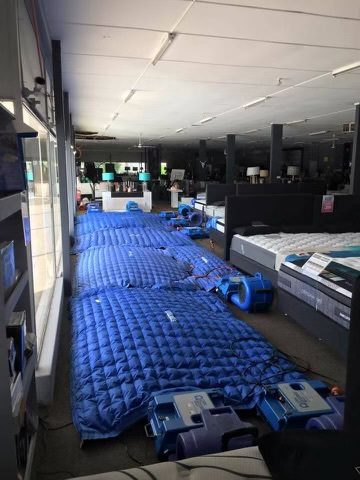
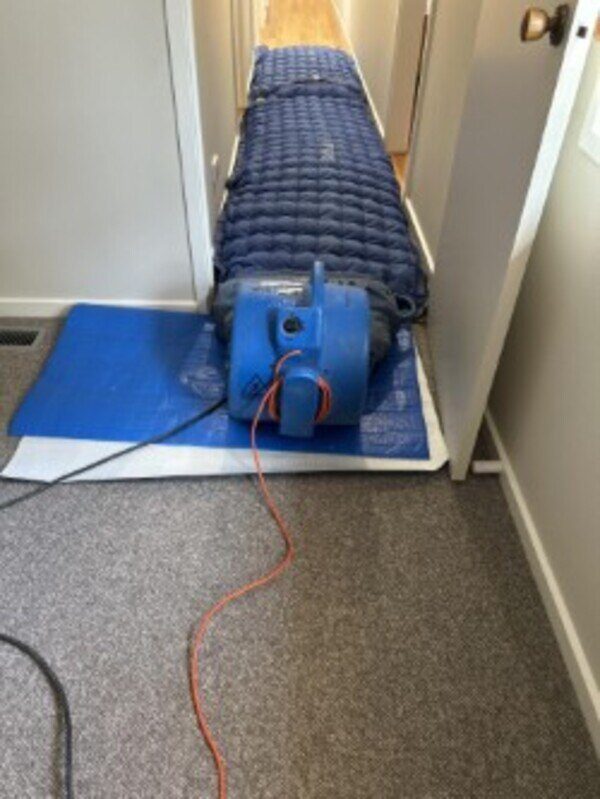
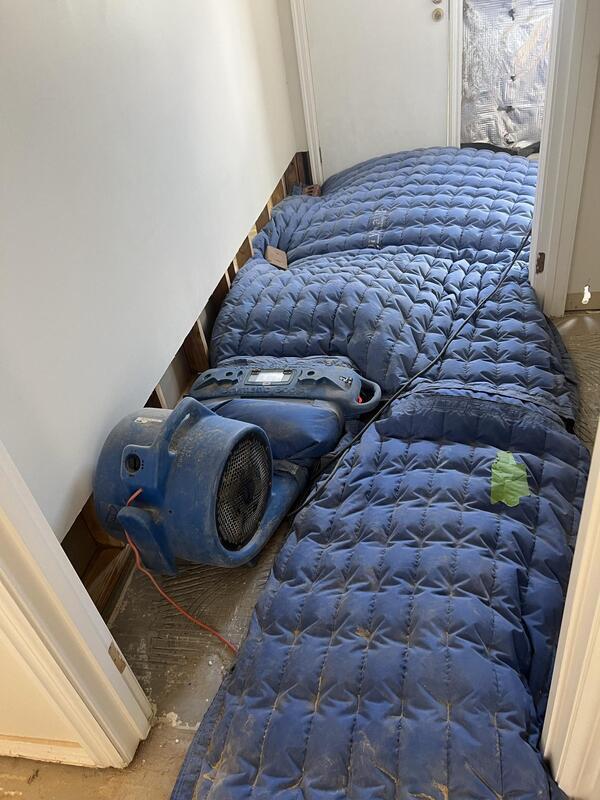
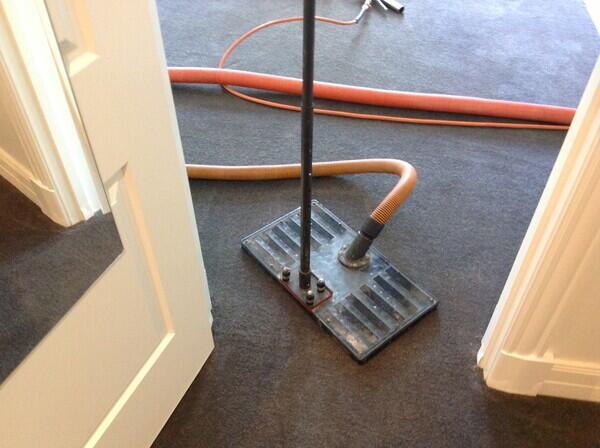
A flooded carpet requires more than simply removing visible water from the surface. Moisture can penetrate deep into the carpet fibres, soak the underlay and migrate into surrounding building materials, creating hidden areas of dampness that are not always obvious during a visual inspection. Professional flooded carpet drying focuses on identifying where moisture has travelled and implementing a drying strategy that is appropriate for the construction of the property and the extent of the water damage.
Budget Total Cleaning & Restoration provides professional flooded carpet drying services for residential and commercial properties throughout Melbourne, Bayside and the Mornington Peninsula. Whether the flooding has been caused by a burst pipe, overflowing appliance, leaking roof or stormwater entering the building, every project begins with a detailed assessment to determine the condition of the affected materials and the most suitable restoration process.
Professional Flooded Carpet Drying Services
Every flooded carpet presents different challenges. The amount of water involved, the type of carpet, the condition of the underlay and the length of time the flooring has remained wet all influence the drying process. Rather than relying on a standard approach, each property is individually assessed to determine how moisture has spread and what equipment is required to assist with effective drying.
Why Professional Drying Is Important
A flooded carpet may appear dry on the surface while significant moisture remains beneath the flooring. Underlay can retain large amounts of water, while timber flooring, skirting boards and plaster walls may also absorb moisture during a flooding event. Drying only the visible surface may leave hidden moisture within the building, making ongoing monitoring an important part of the restoration process.
Professional drying is based on moisture readings rather than appearance alone. By measuring moisture levels throughout the project, technicians can monitor drying progress and adjust equipment where required.
Moisture Assessment and Inspection
Before drying equipment is installed, a comprehensive inspection is carried out to determine the extent of the water damage. Moisture meters and thermal imaging equipment assist in identifying areas where moisture may have travelled beyond the visibly affected carpet.
Understanding how moisture has migrated throughout the property allows a drying strategy to be developed for the specific conditions of the building. This assessment also helps determine whether adjoining rooms or structural building materials require further inspection.
Emergency Carpet Water Extraction
Where standing water is present, emergency carpet water extraction is generally undertaken before the drying process begins. Commercial extraction equipment removes excess water from carpets, helping reduce the amount of moisture that remains within the flooring system.
Removing water as early as practical supports the overall restoration process and allows drying equipment to begin working more effectively. Extraction is followed by ongoing moisture assessment to monitor the progress of the drying program.
Commercial Drying Equipment
Professional flooded carpet drying relies on specialised restoration equipment designed to create controlled drying conditions. Commercial air movers circulate air across wet surfaces, while dehumidifiers remove moisture from the surrounding environment to encourage evaporation.
Depending on the construction of the property, additional equipment such as restoration heaters, air filtration devices or specialised drying systems may also be utilised. Equipment selection varies according to the size of the affected area and the materials involved, ensuring each project receives an appropriate drying solution.
Monitoring the Drying Process
Drying is an ongoing process rather than a single visit. Moisture readings are taken throughout the restoration to determine how the affected materials are responding and whether adjustments to equipment or drying methods are required.
Monitoring allows technicians to compare moisture levels over time and determine when the affected materials have reached acceptable drying levels. This measured approach provides a more accurate understanding of drying progress than relying solely on visual appearance.
Flooded Carpet Cleaning After Drying
Once the carpet has been appropriately dried, flooded carpet cleaning may form part of the restoration process depending on the source of the water and the condition of the flooring. Every property is different, so cleaning requirements are assessed individually following inspection.
Cleaning is generally performed after drying has progressed to avoid introducing additional moisture into the carpet. The most suitable cleaning method is selected according to the carpet type and the overall condition of the affected areas.
Residential and Commercial Drying Solutions
Flooded carpet drying is required across many different types of properties, including homes, offices, retail premises, schools and commercial buildings. Each environment presents unique flooring systems, construction methods and drying requirements.
By assessing each project individually, drying equipment and restoration techniques can be selected according to the specific needs of the property rather than applying a one-size-fits-all approach. This flexible process enables effective drying across a wide variety of residential and commercial environments.
Experience in Water Damage Restoration
Established in 2006, Budget Total Cleaning & Restoration has extensive experience assisting property owners following water damage events. As an IICRC Certified Firm, our team has completed thousands of restoration projects involving flooded carpets, structural drying and moisture management.
If your property requires professional flooded carpet drying, Budget Total Cleaning & Restoration provides inspection, moisture assessment, drying and restoration services throughout Melbourne, Bayside and the Mornington Peninsula. Our experienced technicians can assess the affected areas and recommend a drying strategy suited to your individual property and the extent of the water damage.